Rogers NextBox TV

The Opportunity
As Rogers developed its next-generation IPTV platform, the existing NextBox television experience needed to remain competitive for several more years. Rather than waiting for the new platform, Rogers chose to modernize the existing cable experience by improving usability, introducing features customers expected, and evolving the visual design to anticipate the future IPTV experience. The goal was to strengthen customer retention while making the eventual transition to IPTV feel familiar rather than disruptive.
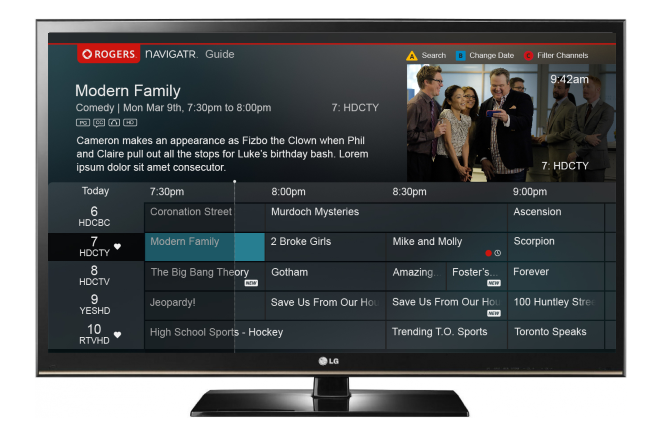
Discovery & Design
Customer research focused on understanding how people actually watched television rather than how the platform expected them to. Through contextual interviews, customers demonstrated how they searched for programs, managed recordings, navigated the guide, and consumed content in their own homes. One of the most important discoveries was that every customer had developed their own viewing habits. Some preferred a traditional “”lean back”” experience, while others actively curated their viewing through recordings and on-demand content.
The redesign focused on supporting these different viewing styles rather than encouraging a single way of interacting with television. Priority was given to improving readability, simplifying the recordings experience, modernizing the visual design, and addressing longstanding usability issues while working within the technical constraints of the Cisco platform. Achieving these improvements often required close collaboration with vendor teams and persistent advocacy to ensure customer experience issues received the same priority as technical defects.
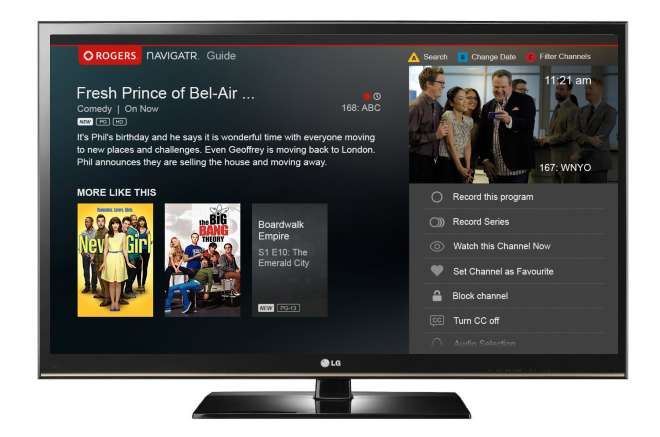
The Outcome
The redesigned NextBox experience gave Rogers customers a more modern, intuitive television platform while helping maintain excitement and confidence in the company’s television offering during the transition to IPTV. The updated visual language also helped prepare customers for the next generation of television services, making the eventual transition feel more familiar. Looking back, I’m most proud of successfully advocating for customer experience improvements that might otherwise have been deferred, ensuring important usability issues were addressed before customers ever encountered them.