Mercatus White-Label Grocery Apps & Websites
The Opportunity
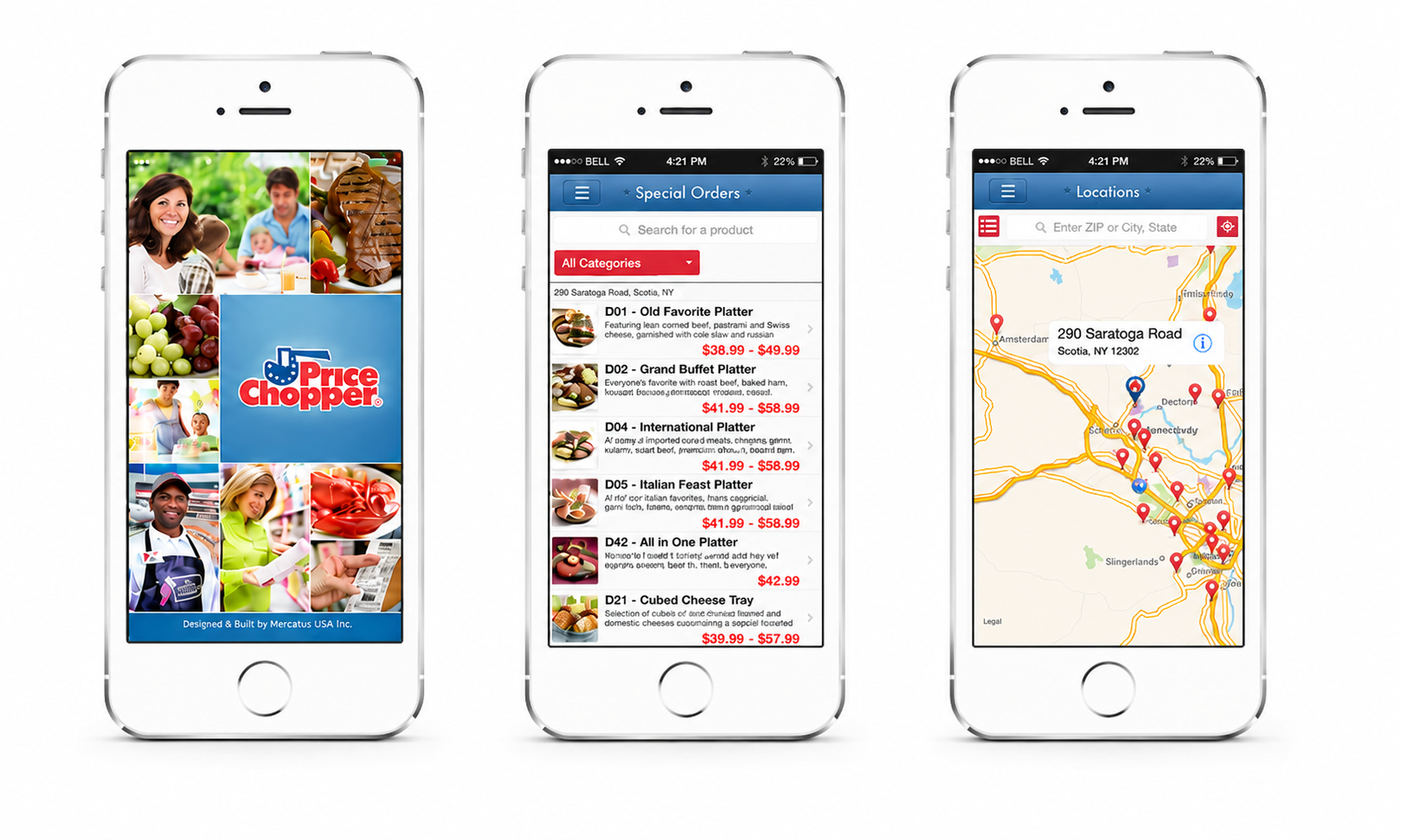
As grocery retailers began exploring e-commerce, many lacked the systems needed to support online shopping. Existing technology was fragmented, and most retailers had little experience providing digital services beyond accepting phone orders for in-store pickup. Building on the Mercatus Console platform, the opportunity was to help grocery retailers establish a digital presence through branded websites and mobile applications that supported product discovery, shopping lists, online ordering, loyalty programs, and customer engagement while leveraging their existing systems.
Discovery & Design
Working with multiple grocery retailers revealed that while every retailer believed its business was unique, customers’ shopping behaviours were remarkably consistent. Research identified several distinct shopping patterns, ranging from budget-conscious shoppers focused on savings to convenience-driven customers looking for speed and simplicity. Across retailers, the information customers valued most was surprisingly consistent: product availability, pricing, savings, and the ability to build and manage shopping lists and orders.
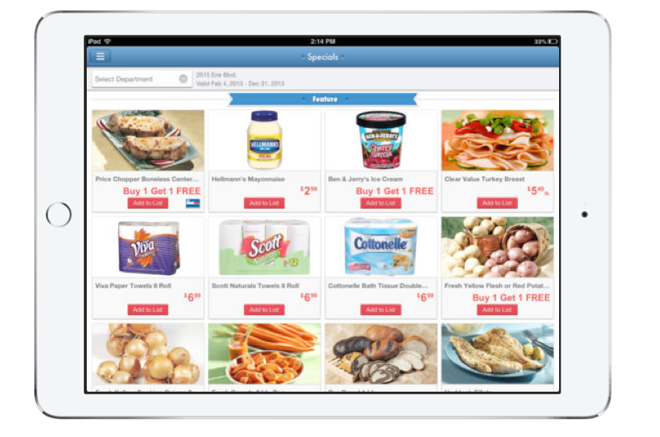
One of the greatest challenges was helping retailers adapt to digital commerce. Many were reluctant to display pricing online because pricing varied by store and region, and they feared customers would compare prices across locations. Rather than treating this as a technical limitation, we redesigned the experience around customers selecting a preferred store, allowing each retailer to present accurate, location-specific pricing while addressing their business concerns.
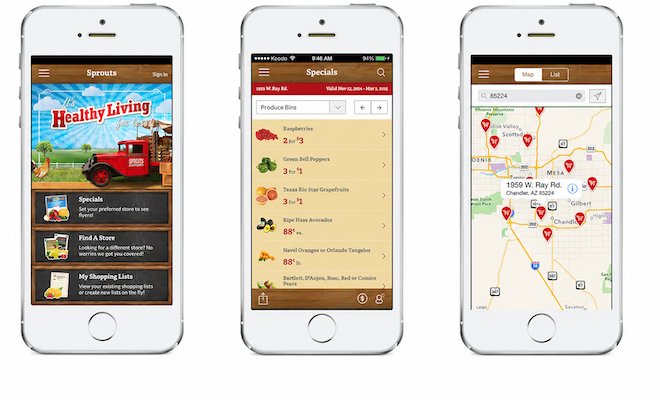
Although every retailer wanted its own branded experience, the underlying customer needs proved highly consistent. The platform was therefore designed around reusable interaction patterns and information architecture that could be adapted to each retailer’s identity while maintaining a familiar, high-quality customer experience.
The Outcome
The platform enabled grocery retailers to launch branded websites and mobile applications that supported modern digital shopping experiences while preserving their existing technology investments. Customers gained convenient access to product information, pricing, shopping lists, and online ordering, while retailers established the digital capabilities needed to compete in an increasingly connected marketplace.